Symbols
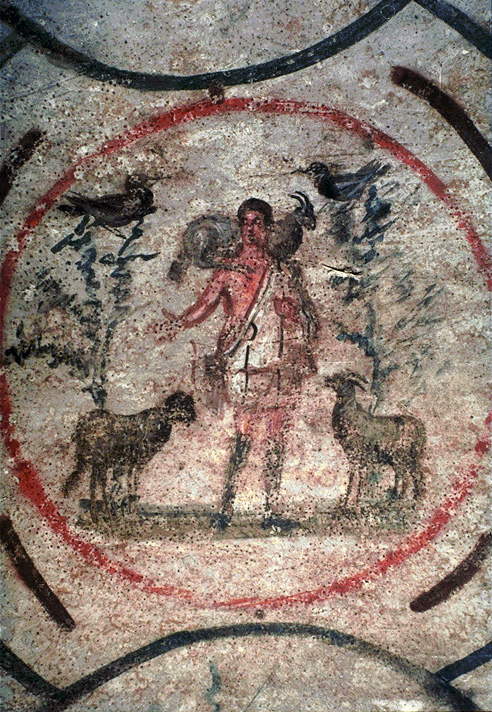
Catacomb Concealment Symbols: Anchor, Dove, and Peacock
Everyday Roman motifs - an anchor, a dove, a peacock - that carried a second, specifically Christian meaning hidden in plain sight for anyone who knew how to read them.
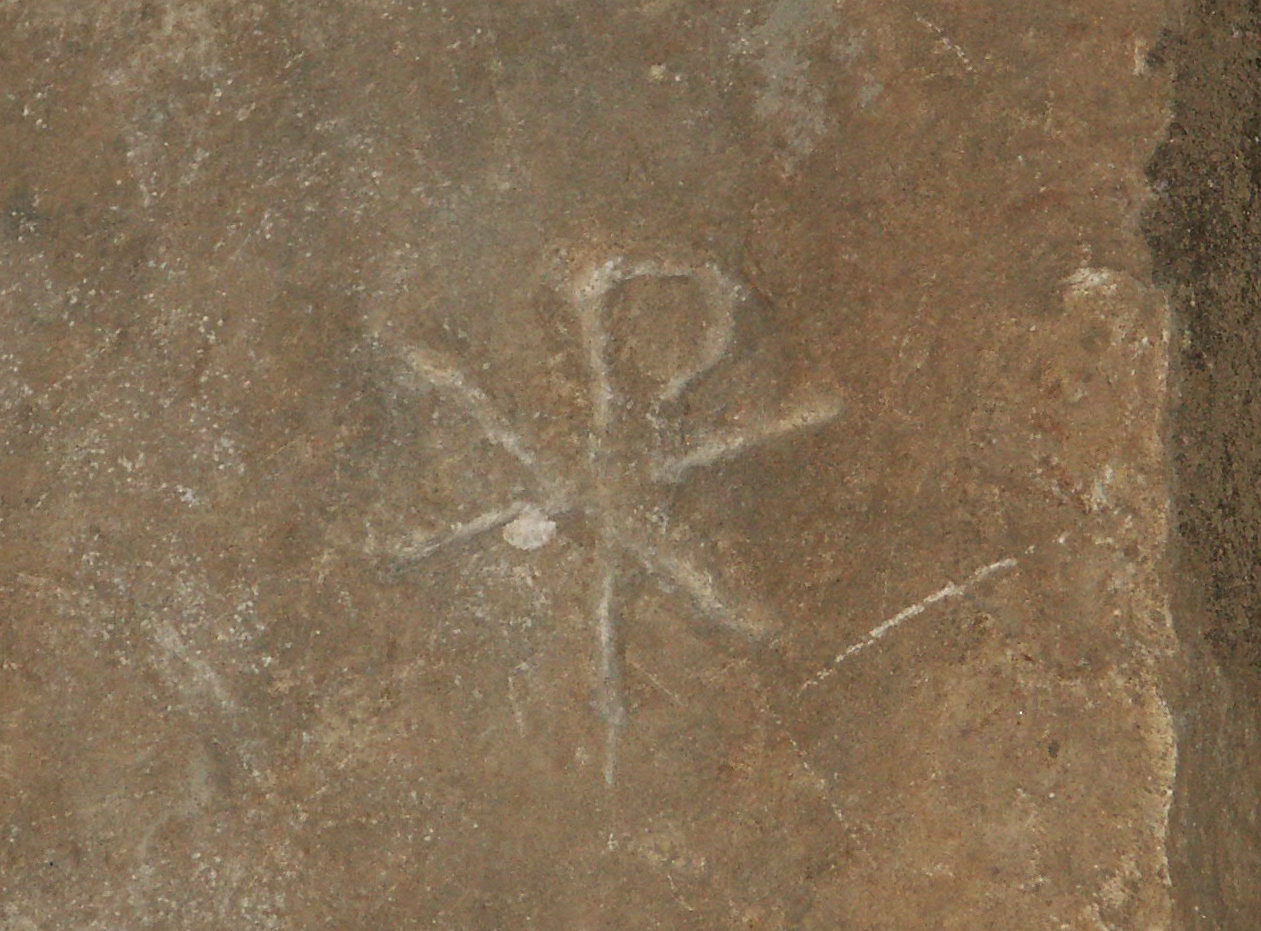
The Chi-Rho
The monogram of Christ - the first two Greek letters of "Christos" - and the sign Constantine credited for his victory at the Milvian Bridge.
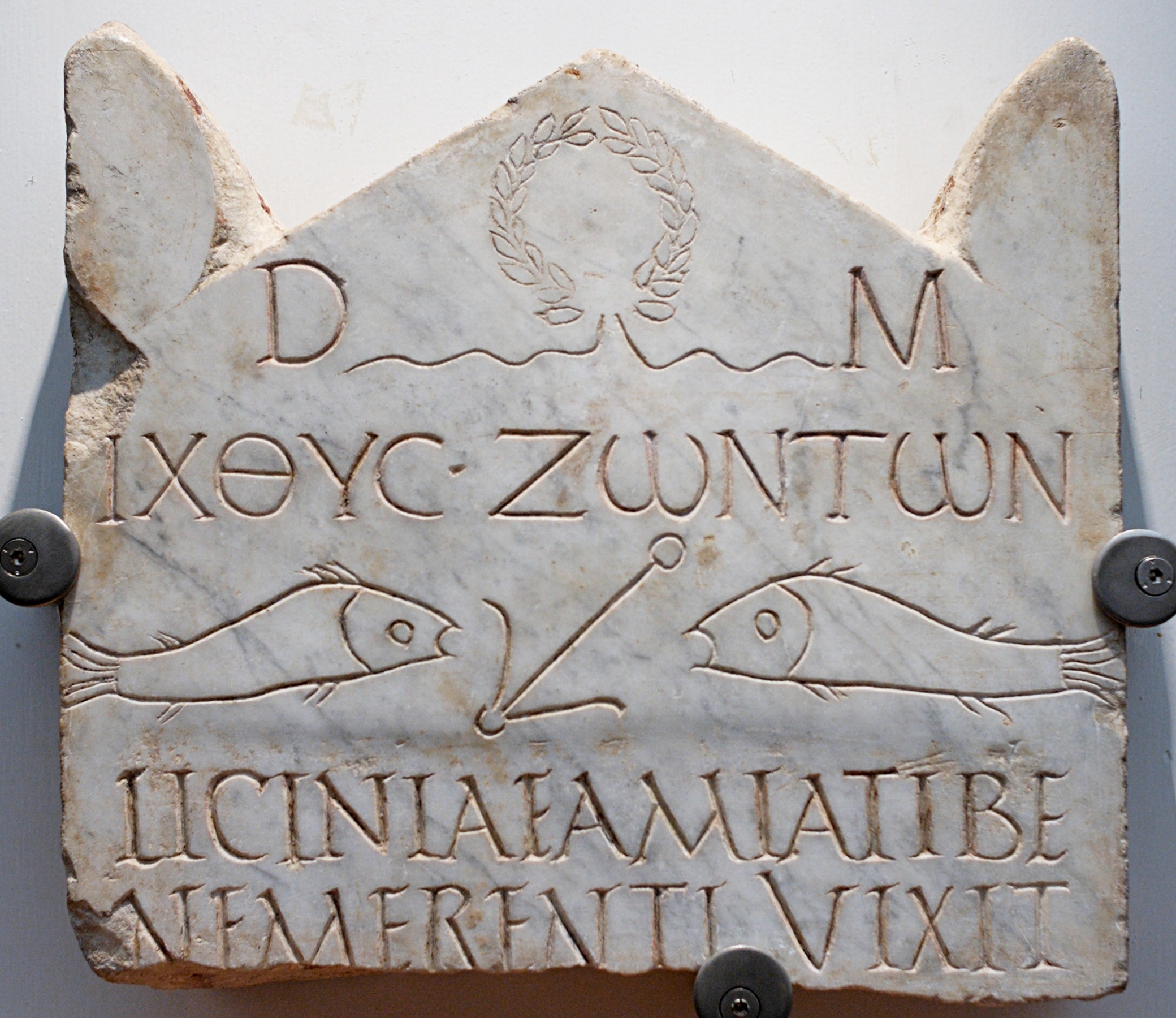
The Ichthys
A Greek acrostic spelling out "Jesus Christ, Son of God, Savior" - one of the oldest surviving shorthand marks for Christian identity.
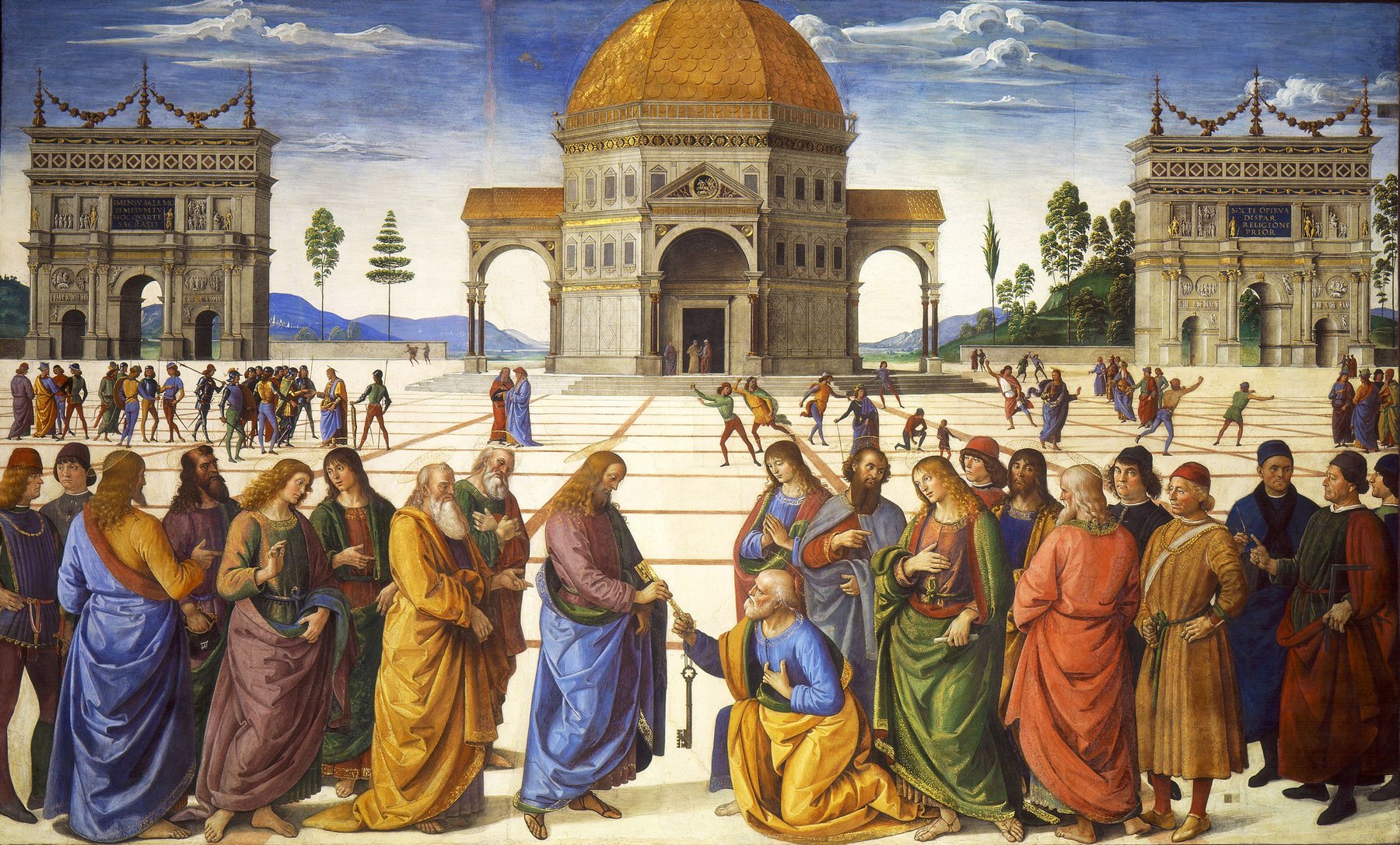
The Keys of Saint Peter
The authority Christ gave Peter as steward of the Church, now the emblem of the papal office itself.
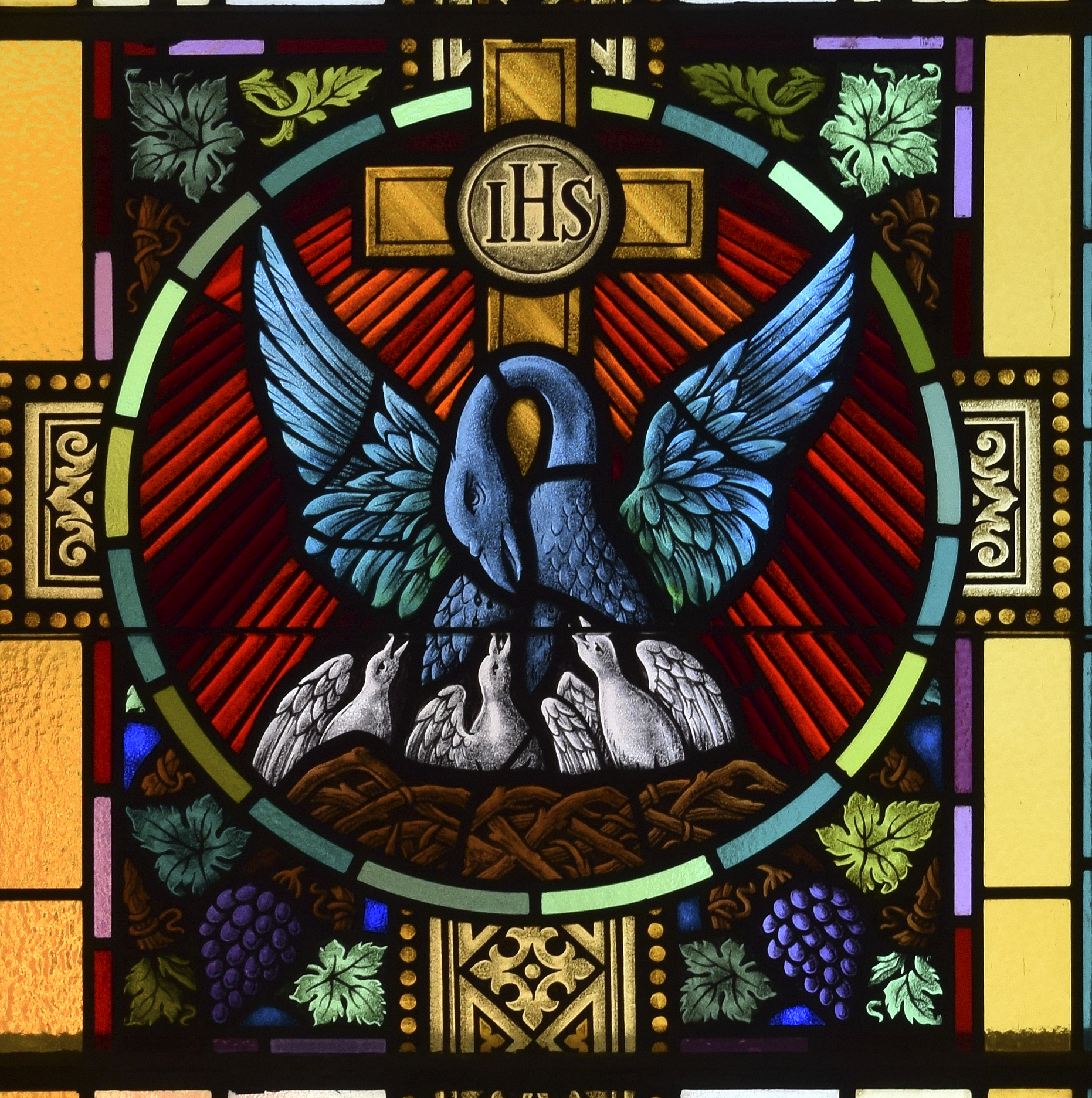
The Pelican in Her Piety
A mother pelican wounding her own breast to feed or revive her young with her blood - read as a natural image of Christ's self-sacrifice and the Eucharist.
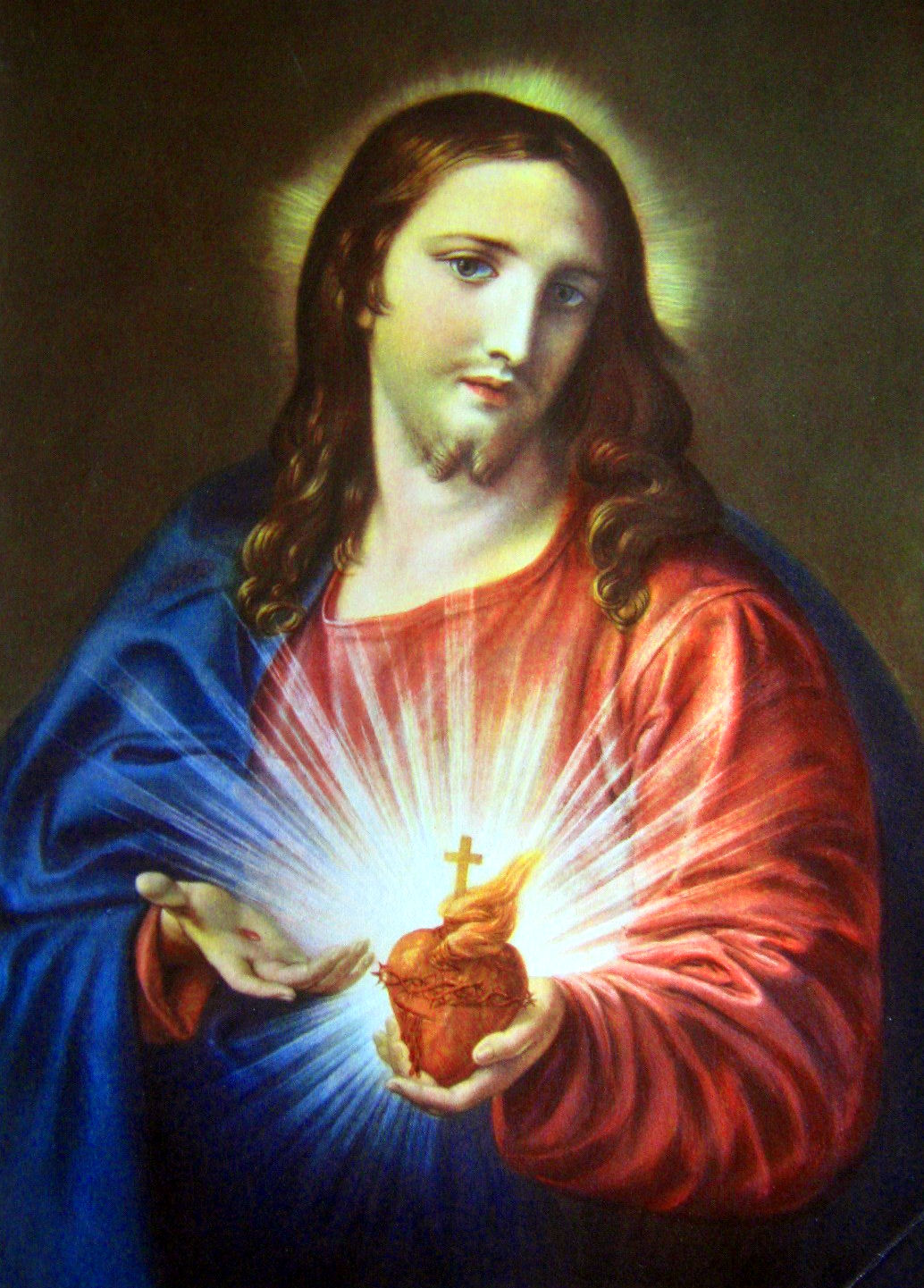
The Sacred Heart
Christ's heart, shown wounded and encircled by thorns, as a visible sign of his love - the center of a devotion built on private visions reported by a 17th-century French nun.
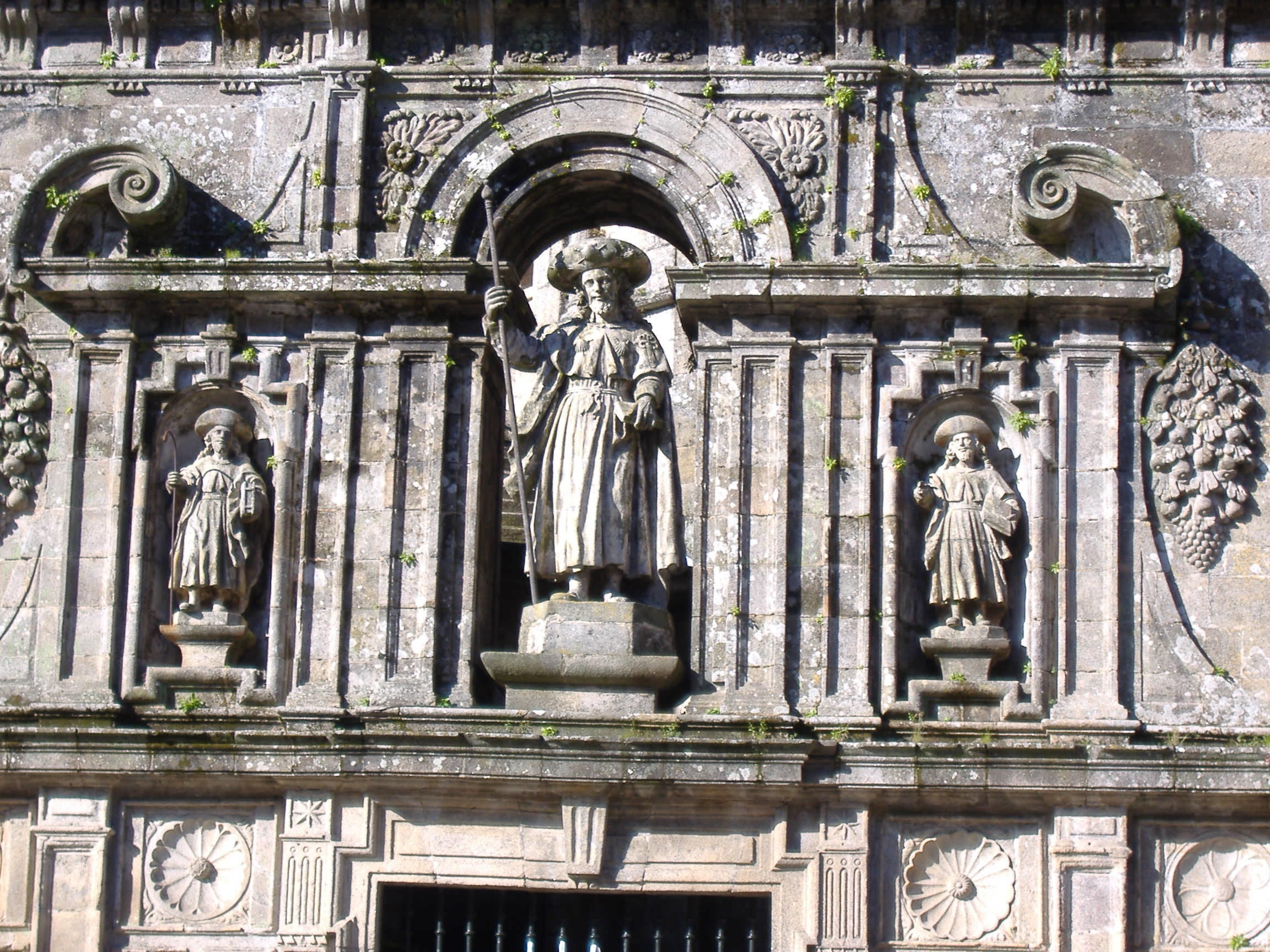
The Scallop Shell
The badge of the Camino de Santiago - proof a pilgrim had reached Saint James's shrine at the edge of the known world, tied to a legend of his body arriving by sea covered in shells.
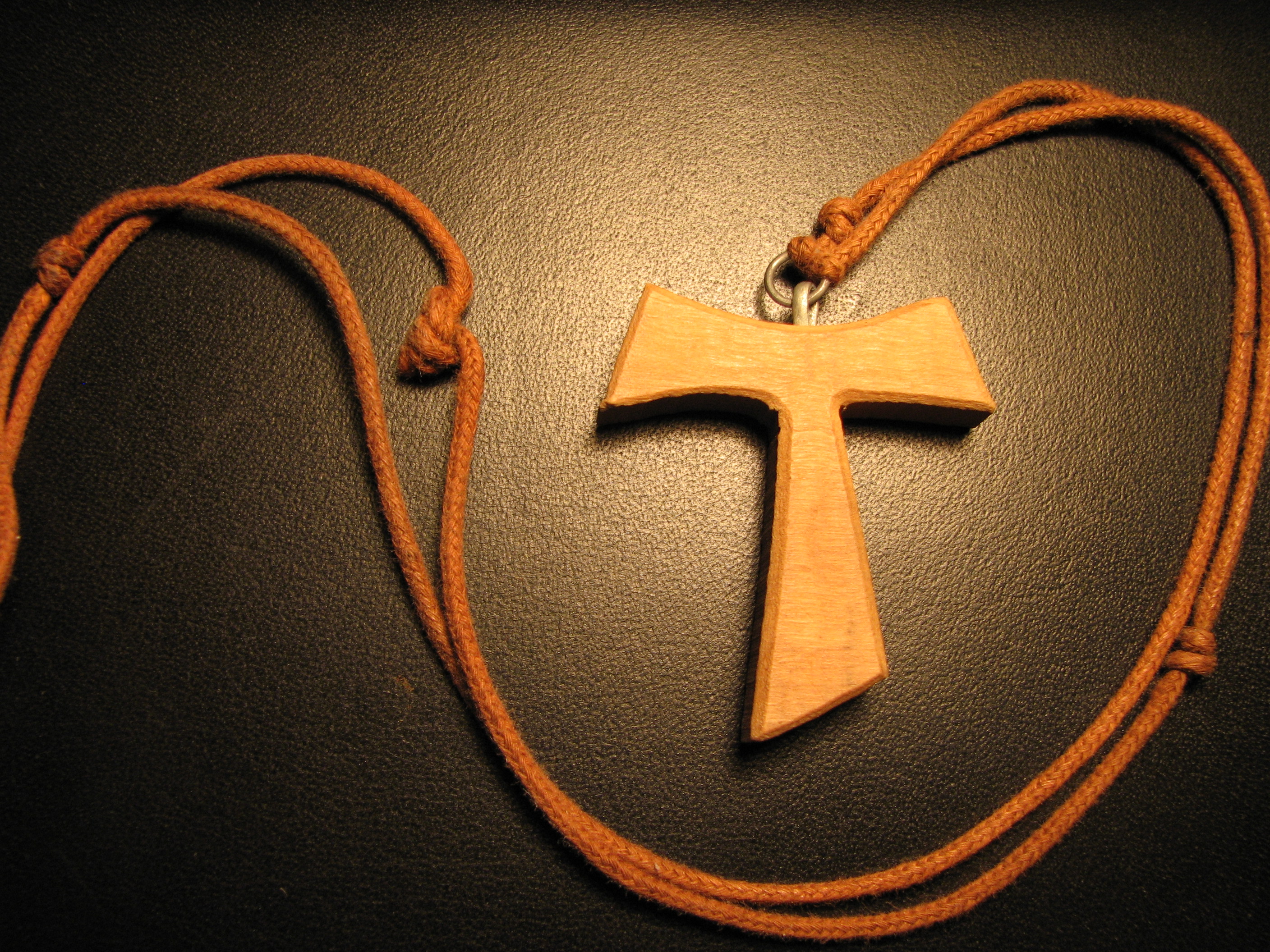
The Tau Cross
A plain T-shaped cross that Saint Francis of Assisi adopted as his personal signature and seal, after hearing it preached as a biblical sign of salvation.